
From PDRN Creamy Sheet Masks to Coconut-Derived Cellulose Masks, the Material Is Becoming Part of the Product Story
A winter mask is defined by more than the ingredients in its serum. How it unfolds, fits, holds moisture, and feels after removal all shape the experience.
Consumers often begin choosing a mask by reading the ingredients on the pack:
PDRN.
Hyaluronic acid.
Ceramides.
β-Glucan.
These ingredients still matter. In winter, however, the physical experience of using a mask becomes especially noticeable.
Does it feel uncomfortably cold when first applied?
Do the edges lift when someone talks or moves?
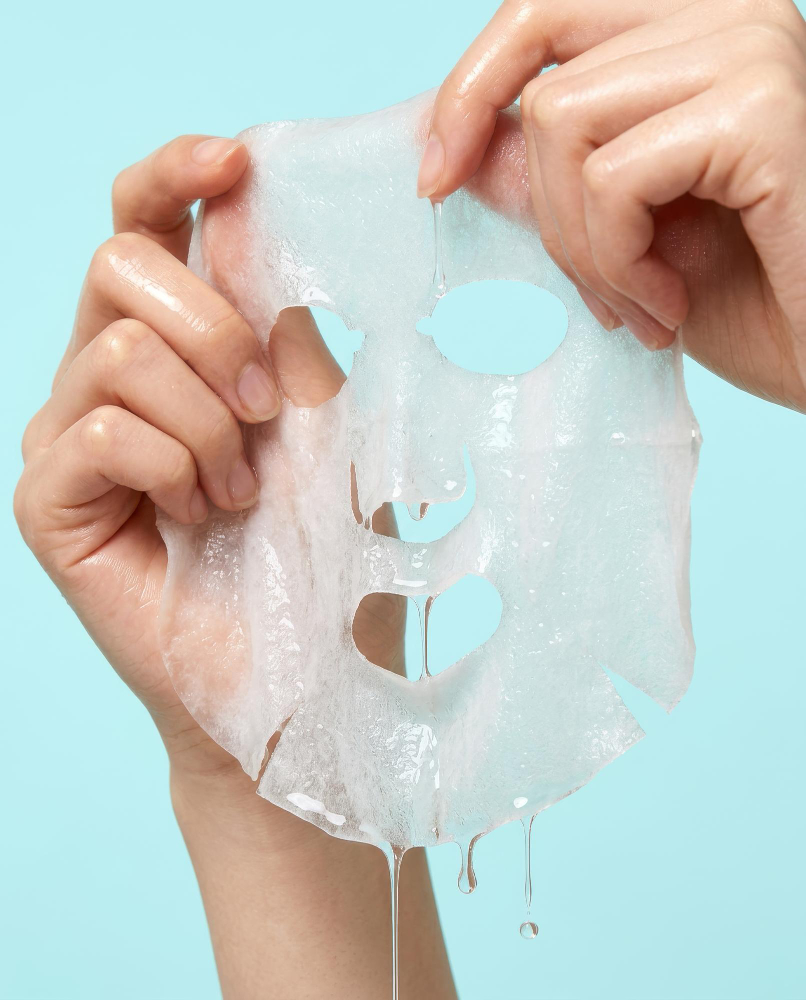
Does the serum stay with the mask, or drip down the face?
After removal, does skin feel fresh and hydrated, softly nourished, or coated?
Creamy sheet masks, hydrogel masks, and cellulose masks offer different answers. Their materials affect not only how the mask feels, but also how the formula is carried and how the product can fit into a winter routine.
-
Winter Masks Are Becoming About the Entire Experience
The experience begins as soon as the sachet is opened.
Consumers notice whether the mask is easy to remove and unfold, whether it needs constant adjustment, and whether it stays in place. They then notice how it feels during wear and after removal.
Three questions help define a winter mask:
How well does it fit?
Does it sit comfortably around the nose, cheeks, and chin? Does it slip as the wearer moves?
How is the formula held?
A serum-soaked sheet, a gel layer, and a self-supporting hydrogel structure carry moisture in different ways.
How does skin feel afterward?
Does the product leave a fresh, hydrated feel, a soft nourishing finish, or a more noticeable coating?
There is no single best answer. Someone preparing for makeup may want a lighter finish, while someone using a mask before bed may prefer a richer feel.
-
Creamy Sheet Masks: Make Softness the Memorable Detail
The idea of a “creamy sheet” suggests softness, a refined texture, and a comforting feel against the skin. That makes it a natural fit for winter product design.
For a PDRN mask, the story can begin with the feel of the sheet and the moment of use, instead of relying solely on the PDRN name.
“A soft, close-fitting creamy sheet paired with a PDRN skincare formula for a comfortable moment of hydration when winter leaves skin feeling dry.”
“Creamy sheet” describes a product concept and sensory impression. Actual fit still depends on the material, thickness, cut, and serum formula. Even a soft sheet may leave gaps around the nose or chin if its shape does not suit the face.
During development, it is worth looking beyond the first photograph taken after application:
Does the sheet remain in place several minutes later?
Do the edges dry out too quickly?
Does skin feel soft after removal, or uncomfortably sticky?
The winter appeal of a creamy sheet mask should be apparent from the moment it touches the skin.
-
Hydrogel Masks: Let the Water-Rich Texture Lead
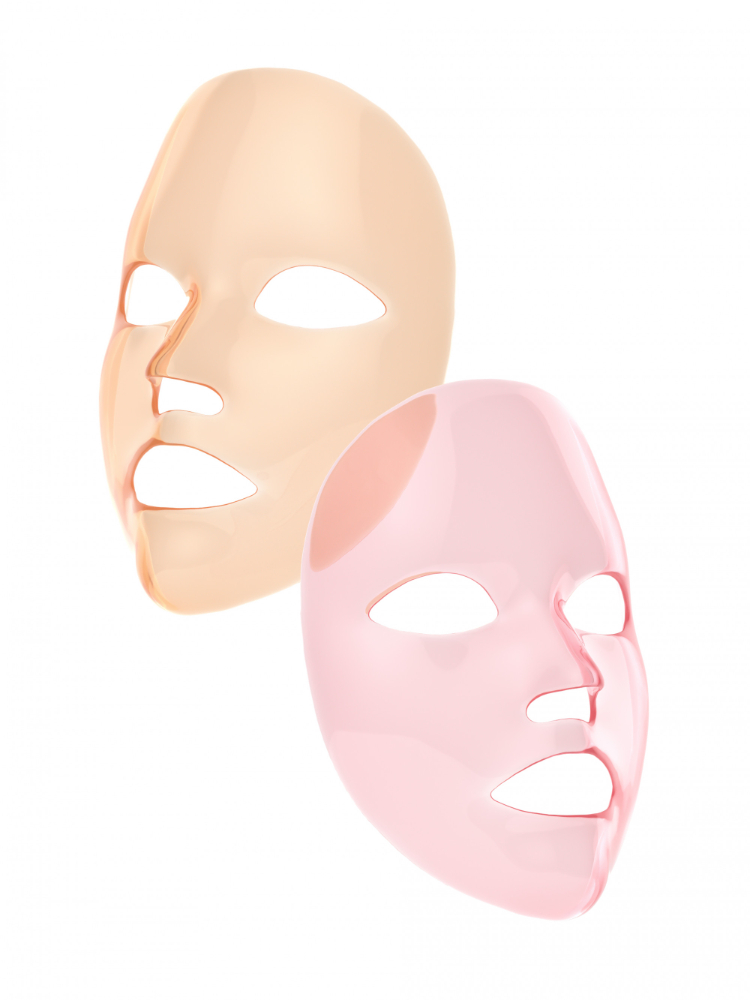
A hydrogel mask may be constructed differently from a sheet soaked in liquid serum.
Some masks are formed from the gel itself. Others combine a gel layer with a separate backing material. Before describing how a “hydrogel mask” holds its formula, it is therefore necessary to understand the product’s actual structure.
Hydrogel commonly suggests:
A water-rich feel.
A smooth surface.
Close contact with the skin.
A cooling sensation.
These qualities can make application distinctive. In winter, though, the cooling sensation needs careful consideration. It may appeal to someone who enjoys a fresh feel, while someone seeking warmth and comfort on a cold evening may find it less inviting.
Hydrogel development should also consider whether the mask tears during handling, slides after application, or leaves more residue than intended. Thickness, water content, and formula can all change the experience.
-
Coconut-Derived Cellulose Masks: Connect the Fiber to the Serum
A coconut-derived cellulose mask lends itself to a story about how the material and serum work together.
Research into bacterial cellulose has discussed its water-holding properties, contact with the skin, and potential as a carrier for cosmetic formulas. Those findings should not be treated as performance results for every commercially available coconut-derived cellulose mask. The finished experience depends on the particular sheet, its processing, and the serum used with it.
For a winter product, consumers may notice:
The sheet’s flexibility as they lift it from the sachet.
How it follows the contours of the face.
Whether the serum remains evenly distributed during wear.
This material can pair well with a moisturizing formula. Still, holding more serum does not automatically mean that skin absorbs more. The amount held by the sheet, how it releases liquid, and the finished product’s moisturizing performance are separate things to assess.
A product description can begin with what consumers can experience:
“A flexible coconut-derived cellulose sheet follows facial contours while holding a moisturizing serum for a comfortable winter masking experience.”
-
What Matters Most When Comparing These Three Mask Types?
For winter masks, the most useful points of comparison are how they feel on the skin, how they hold the formula, and how skin feels after removal.
- Creamy sheet mask | A soft, close fit
Look at how easily the sheet unfolds and whether it fits around the nose, cheeks, and chin. Paired with a PDRN moisturizing formula, it can offer a soft, comforting step in an evening routine. - Hydrogel mask | A water-rich, smooth feel
A gel structure or gel layer holds the formula and creates a distinct sensation during wear. For winter use, consider whether it feels too cold on application, slips while worn, or leaves an unwanted residue. - Coconut-derived cellulose mask | A balance of fiber and serum
The key considerations are the sheet’s flexibility, how well it follows facial contours, and whether the serum distributes evenly through it. The material’s texture and hydrated feel can become central to the product story.
These are development directions, not a fixed performance ranking. Actual fit and moisturizing performance depend on the sheet specifications, cut, serum formula, and finished-product testing.
-
How Can a PDRN Creamy Sheet Mask Feel Distinctly Suited to Winter?
If the only message is “contains PDRN for intensive care,” the product’s identity remains on the ingredient list.
A fuller winter story has three parts.
First, define the moment of use.
Perhaps it is an evening when skin feels tight after cleansing and the consumer wants an extra moisturizing step.
Second, describe the sheet experience.
Is it soft, easy to unfold, and comfortable against the face? These details should reflect the actual sample.
Third, describe the after-feel.
Does skin feel hydrated and soft? Is it comfortable to follow with a cream?
Together, these elements could become:
“When winter leaves skin feeling dry, settle a soft creamy sheet against the face. Its PDRN formula combines with moisturizing ingredients to leave skin feeling hydrated and soft—a comfortable addition to an evening routine.”
PDRN provides the ingredient theme. The unfolding, application, wear, and after-feel make the product memorable.
-
An OEM Development Perspective: Test the Sheet and Serum Together
Mask development should not stop at choosing an appealing sheet and adding an existing serum to the sachet.
The two need to be evaluated together.
A very fluid formula may drip during removal. A thicker formula may change how readily the sheet becomes saturated or unfolds. A sheet that holds a large volume of serum may still feel uncomfortable during use.
Sampling can assess:
Fit: Do the areas around the nose, chin, and sides of the face lift easily?
Serum retention: Does too much formula run off as the mask is removed and unfolded?
Wear: Does the mask slide, or do its edges dry before the intended wear time ends?
After-feel: Does the balance of hydration, softness, and residue match the product concept?
Handling: Can consumers remove, orient, and apply the mask without difficulty?
If a product makes more specific claims, such as exceptional adherence or a stated duration of hydration, the testing approach should support the wording. Taiwan’s cosmetic claim regulations require labeling and advertising to reflect the facts and have adequate supporting evidence.

-
A Common Winter Mask Myth: Does More Serum Mean a Better Mask?
A sachet filled with serum can create an immediate impression of generosity. The experience on the face may tell a different story:
Liquid drips from the chin.
The mask slides because it is too wet.
Skin feels stickier than the consumer expected after removal.
The better goal is an amount and texture of formula suited to the sheet and the intended moment of use.
A mask positioned for a nourishing evening routine may reasonably leave a richer feel. A mask intended for use before makeup may need a finish that makes the next step easier.
The amount of serum is a product specification.
How the mask feels is the experience consumers remember.
Conclusion: Design the Next Winter Mask Around the Moment It Touches the Skin
A creamy sheet mask can make softness and close contact its winter signature.
A hydrogel mask can offer a distinctive water-rich feel.
A coconut-derived cellulose mask can make the relationship between material and serum part of its appeal.
None has an automatic advantage. The more useful question is:
Which combination of sheet, formula, and after-feel best suits the winter moment the product is designed for?
When the ingredient story carries through every step—from unfolding and fitting to wearing and removing the mask—the difference becomes something consumers can feel for themselves.