
From Ingredient Documentation to the Feel of the Finished Cream
Exosomes can give a winter cream a distinctive ingredient story. But a product concept needs more than a decision to “add exosomes.” The ingredient’s source, the meaning of its specifications, and its suitability for the proposed formula all shape the final product.
Winter creams often appeal to consumers through their nourishing texture and comfortable finish. Adding exosomes can bring a science-led dimension to that story.
Yet the experience of using the cream still depends on the complete formula: how smoothly it spreads, how it feels after application, and how it layers with a serum or sunscreen. The exosome ingredient calls for its own set of checks.
Before settling on a product name, container, or packaging copy, the planning team can ask three questions: Where does the ingredient come from? What do its specifications measure? And does the finished cream meet the intended quality standards?
-
Source: Identify Which Exosome Ingredient the Product Uses
“Exosome cream” is an easy concept to understand, but it does not fully identify the ingredient in the formula.
The planning team should confirm the source, preparation method, and quality documents with the supplier. Those documents should correspond to the ingredient selected for the product.
If the ingredient contains exosomes derived from human cells, its case-by-case review status and current application requirements must also be checked in Taiwan. The Taiwan Food and Drug Administration (TFDA) revised the annex to its required submission documents on February 2, 2026. Development decisions should therefore reflect the current requirements and the status of the specific ingredient.
This check has a direct effect on copy. If the packaging names a particular cell source, the supplier’s documents need to support that description. If the available records establish only a broader ingredient description, public-facing wording should stay within that level of detail.
The clearer the source documentation, the more specific the product story can be.
-
Specifications: Establish What Each Number Describes
Exosome products often highlight a particle count or concentration. A number can be memorable on a package, but its basis needs to be clear first.
For example, if the copy says a bottle contains a certain number of particles, does that figure refer to:
- The ingredient as supplied?
- An amount calculated from what was added during production?
- A measurement of the finished cream?
These are different claims. The testing method, units, batch records, and calculation also need to align with the proposed wording.
If the available evidence consists of ingredient specifications and production records, the packaging should describe what those records establish. A definite count in each finished bottle calls for evidence that supports a finished-product claim.
Before a number becomes a headline, its meaning must be clear.
-
Formula Compatibility: Assess the Complete Cream
A winter cream needs to balance nourishment with comfort. To achieve the intended feel, the development team may adjust its emollients, emulsifying system, thickness, and supporting ingredients. The selected exosome ingredient should be assessed within those formulation choices.
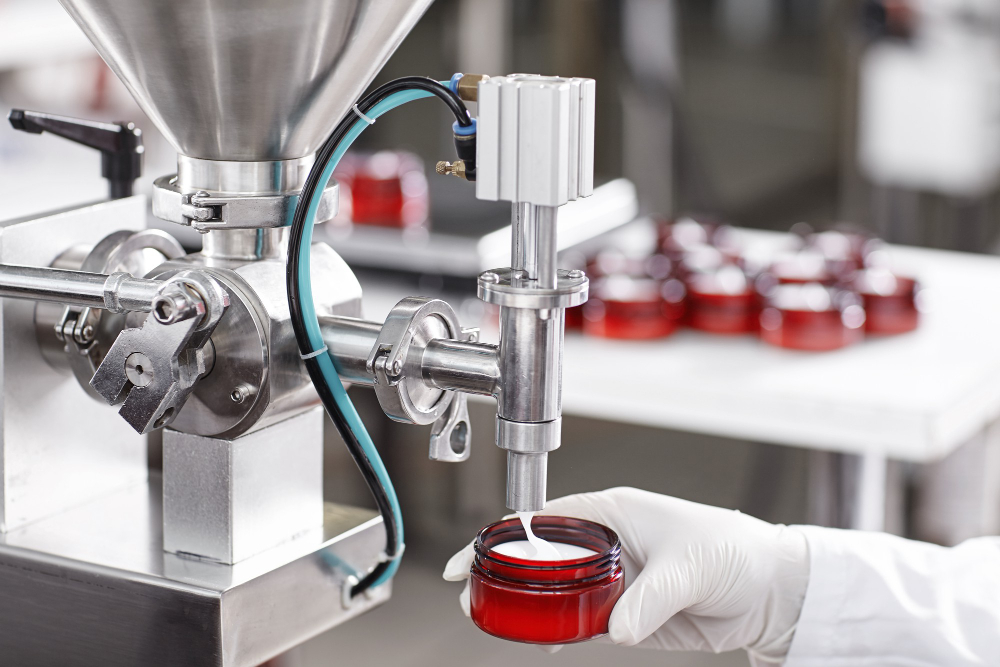
Ingredient documents can describe the supplied material and its recommended conditions of use. The product reaching consumers, however, is a finished cream that has been manufactured, filled, and stored. The planning and development teams should therefore consider:
- Whether the ingredient suits the proposed formula and manufacturing conditions.
- Whether the cream’s appearance, odor, and texture remain acceptable over its intended shelf life.
- Whether the selected container works with the formula.
- Whether the cream feels right for its winter positioning.
The TFDA’s guidance on cosmetic product information files discusses packaging specifications and information such as packaging stability and compatibility. Container selection belongs in the product quality discussion.
-
The Texture Still Needs to Earn a Place in the Daily Routine
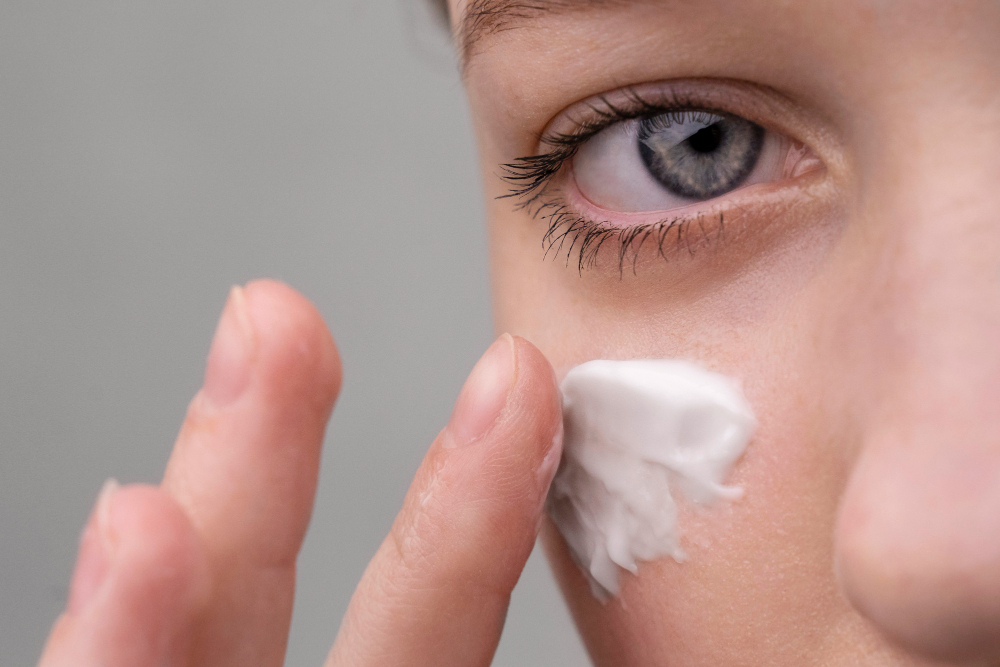
Exosomes can make the product distinctive. Its everyday feel determines whether consumers will want to keep using it.
A winter cream may be rich, but different routines call for different finishes:
For daytime, assess how it layers with sunscreen and makeup.
For nighttime, consider a softer, more enveloping feel while checking whether it becomes too heavy over a serum.
For the dry season, confirm that the cream feels nourishing and comfortable enough for regular use.
A useful starting point is to decide whether the concept is a soft, nourishing daily cream or a richer cream for an evening routine. The role of exosomes in the story can then be developed alongside the formula and texture. The ingredient concept and the user experience should support the same product positioning.
-
Copy: Keep Ingredient Features and Finished-Product Results Distinct
Information about an exosome ingredient’s source, specifications, and research can support its ingredient story. It does not automatically establish the performance of the finished cream.
A product page can organize its statements by the evidence behind them:
| Evidence | What it can help describe |
| Ingredient documents | Confirmed source, specifications, and preparation features |
| Formula and finished-product data | Cream texture, stability, and actual test results |
| Consumer-facing copy | Skincare benefits and sensory descriptions supported by the available evidence |
For a particle count, performance percentage, or duration claim, check whether the supporting data relates to the ingredient or the finished product. The product name, packaging, imagery, and product page should convey a consistent message grounded in that evidence.
-
Start an OEM/ODM Proposal With Three Sets of Information
Before sampling begins and artwork is finalized, a short planning checklist can give sales, development, and copy teams a shared basis for decisions:
Ingredient information: Confirm the source, supplier specifications, testing method, and applicable review status.
Formula information: Confirm the recommended conditions of use, proposed product format, manufacturing considerations, and finished-product test plan.
Copy information: Separate ingredient features from finished-product claims, and check the basis for every number and description.
Once these points are clear, the team can choose the cream’s richness, packaging format, and visual direction with a more complete understanding of the product.
Conclusion: Make the Exosome Concept Fit the Winter Cream
A winter cream can bring together an exosome ingredient story and a nourishing texture. To make the concept credible, the team still needs to answer practical questions: Is the source documented? Can the specifications be described accurately? Does the finished cream meet its intended quality and sensory goals?
Answering those questions gives exosomes a defined place in the product plan, beyond a prominent name on the package.