
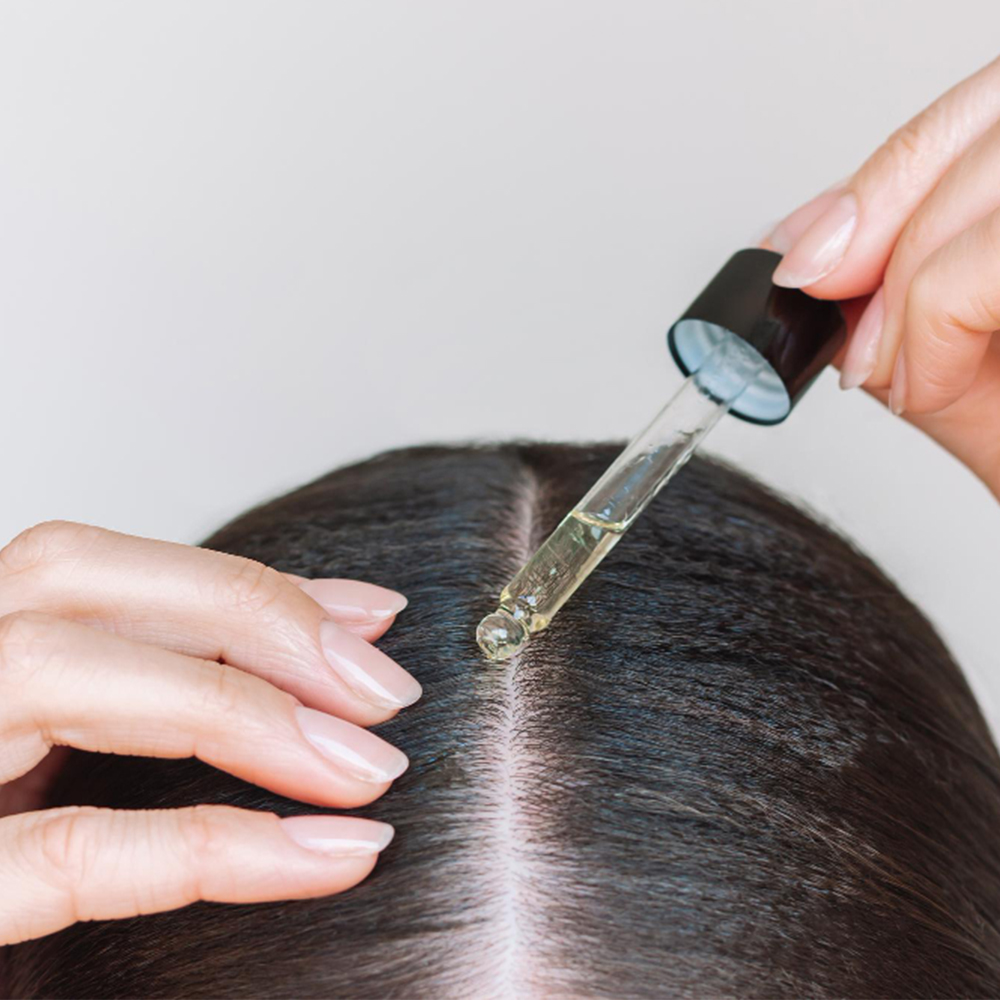
The Face May Call for a Soft Finish, While Scalp Care Needs to Feel Light and Easy to Apply
Winter skincare can extend from the face to the scalp, but the products cannot simply be copied. Hair, washing habits, and styling needs give scalp care its own design requirements.
As the weather cools, changes in facial skincare needs are easy to notice.
A lightweight lotion may no longer feel nourishing enough.
Cheeks may feel drier after cleansing.
A softer, richer cream may become more appealing at night.
Another area is often overlooked:
The scalp.
During the dry season, some consumers find that their scalp feels less comfortable after washing. Yet they may be reluctant to use a product that leaves their hair roots looking flat.
This creates an opportunity to extend winter skincare beyond the face—by developing cleansing and leave-on products specifically for the scalp.
Research has examined how low temperature, low humidity, and seasonal changes affect skin. Individual scalp experiences may also be influenced by washing habits, styling products, and the surrounding environment, so season alone does not explain every concern.
-
Face and Scalp Both Need Care, but “Comfort” Means Different Things
When facial skin feels dry, consumers may be happy to add a serum or switch to a richer cream.
Scalp care presents a different challenge.
A product must pass through the hair to reach the scalp. It must also fit into blow-drying and styling routines without affecting the appearance of the roots.
Even “nourishing” can mean different things:
A facial cream may offer a smooth, enveloping finish.
A scalp serum may need to be easy to apply section by section, feel light afterward, and avoid leaving strands clumped together or roots looking flat.
A face and scalp collection can share a winter comfort theme. Its textures should still be developed for each area separately.

-
First Concept: A Shampoo Designed for Post-Wash Comfort
Scalp care still begins with washing.
If consumers feel that their scalp is dry, the answer is not necessarily to reduce cleansing. A more useful approach is to examine the full washing experience:
Does the lather spread easily through the hair?
Can the scalp be cleaned effectively?
Does the product rinse without leaving a heavy residue?
How do the scalp and hair roots feel after drying?
A shampoo must work for both the scalp and the hair. A message focused only on a “fresh scalp” may overlook winter comfort. A message focused only on “nourishment” may make consumers with fine hair worry about losing volume.
Concept message:
“Begin winter scalp care in the shower. Fine lather washes away everyday impurities, leaving the scalp feeling clean and comfortable while the hair stays light.”
Research has evaluated the effects of specific shampoo formulas on scalp hydration and related conditions. Those results belong to the tested products; they should not be applied to every shampoo described as moisturizing.
-
Second Concept: A Water-Light Scalp Spray for After Washing
Shampoo is rinsed off. A leave-on spray can create a distinct step after washing.
Its application can fit naturally into an existing routine:
Wash the hair.
Towel-dry.
Apply the product along the partings.
Blow-dry and style.
Whether a scalp spray is easy to use, however, may depend as much on its nozzle as on its ingredient list.
If the spray is too wide, much of the formula may land on the hair.
If it dispenses too much, sections of the scalp may become excessively wet.
If the formula is too sticky, the roots may look flat after drying.
Glycerin, panthenol, and β-Glucan are possible directions for a winter scalp moisturizing formula. Finished-product testing should confirm whether the spray is easy to direct onto the scalp and whether its after-feel matches the intended lightweight concept.
-
Third Concept: A Scalp Serum Applied Section by Section
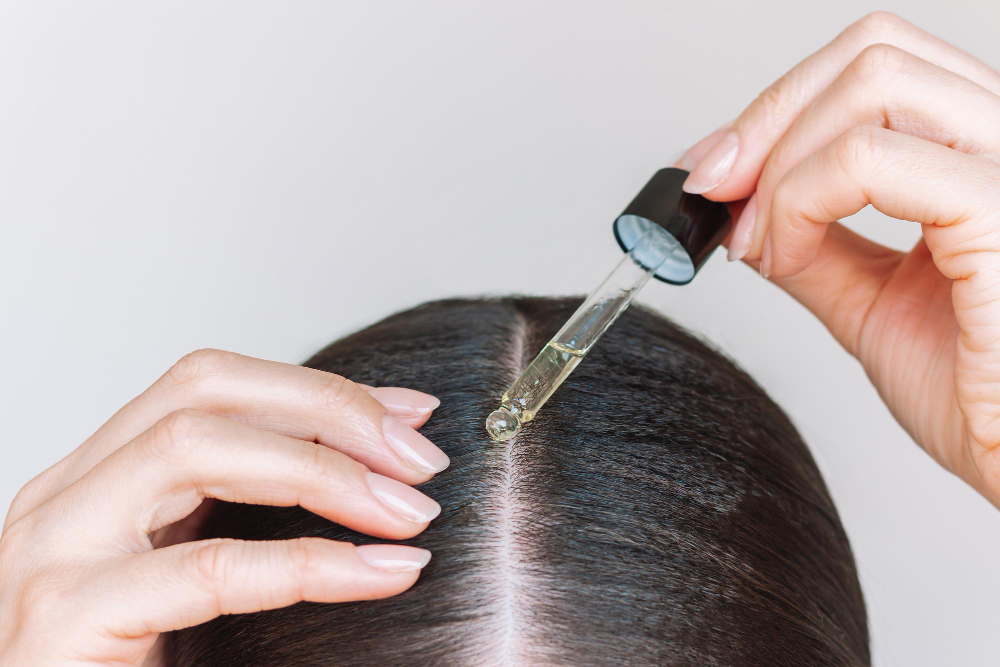
For a more deliberate scalp care experience, a brand could consider a dropper, pointed nozzle bottle, or another package designed for targeted application.
The product does not need to cover the entire scalp in one spray. Instead, the user can apply it along partings and the hairline.
Development questions include:
Is the amount dispensed easy to control?
Does the liquid run toward the forehead?
Does it feel comfortable after massaging?
When applied to dry hair, does it cause strands to clump together?
A scalp serum may share the visual identity of a facial serum, but the two should not automatically share the same viscosity or finish. A soft, nourishing feel that works well on the face may be less welcome around the hair roots.
-
How Can Face and Scalp Products Tell One Winter Story?
The products do not need identical ingredient lists. They can be connected by a shared moment of use.
For example, a “comfortable after-wash routine”:
- Face: Follow a gentle cleanse with a hydrating serum and a soft cream.
- Scalp: After shampooing, apply a lightweight scalp spray.
Or an “evening winter routine”:
- Face: Finish with a richer cream before bed.
- Scalp: Apply a water-light serum along the partings without weighing down the roots.
This approach gives each area an appropriate product experience while keeping the collection coherent.
-
An OEM/ODM Perspective: Three Additional Tests for Scalp Products
Facial product sampling often looks at spreadability, after-feel, and how a formula works beneath makeup. Scalp products need three additional checks.
1) Does the product reach the scalp?
Compare a spray, dropper, and pointed nozzle. Packaging that helps users get past the hair can make the product much easier to use.
2) What happens to the hair roots?
Assess scalp comfort and check for flat roots or clumped strands after drying.
3) Is it intended for wet or dry hair?
The amount dispensed, how the product spreads, and its effect on styling may differ. Directions for use should match the conditions under which the product was tested.
Answering these questions before finalizing the copy brings the proposal closer to the consumer’s real experience.

-
Scalp Copy Should Address Everyday Care
An uncomfortable scalp is not always a dry scalp. Persistent, noticeable flaking or other symptoms should not automatically be described as ordinary winter dryness.
For everyday cosmetic scalp care, copy can focus on:
Cleansing the scalp.
Moisturizing a dry-feeling scalp.
Maintaining scalp comfort and good condition.
A lightweight texture that does not weigh down the roots.
Cosmetic products should not be presented as treatments for disease or as products that change hair growth. Taiwan’s cosmetic claim regulations assess the overall message conveyed by names, wording, and imagery, and specific claims require adequate evidence.
Conclusion: Scalp Care Is More Than Facial Serum Applied Beneath the Hair
Extending a winter collection from face to scalp opens up several product directions.
A shampoo can focus on comfort after washing.
A scalp spray can add a light step to the post-wash routine.
A targeted serum can suit consumers who enjoy a more deliberate application.
These products can share a winter theme with facial skincare, while responding to different practical needs.
Facial skincare is judged by how skin feels after application. Scalp care must also reach the right place—and leave the hair looking the way consumers want it to.