
From “Anti-Wrinkle Ingredients” to Precision Formulation, Peptides Are Reclaiming a Core Role in Premium Skincare
Peptides never truly disappeared from the market. What has changed in 2026 is that brands are no longer simply asking whether a formula contains peptides—they are asking which peptides to use, why they are being used, and how they should work together.
A few years ago, peptides were almost a standard answer in premium anti-aging skincare.
Then retinol, PDRN, exosomes, NAD+-related concepts, and new biotechnology-driven ingredients rapidly gained attention, making peptides seem less novel.
But in 2026, peptides are moving back into the spotlight.
Not because the market is experiencing another simple “peptide boom,” but because brands are beginning to understand peptides differently:
Peptides are not just one ingredient category—they are an entire functional language that can be strategically designed.
Different peptides have different structures, positioning opportunities, and roles within formulation systems.
The new generation of peptide skincare is therefore no longer competing with claims such as:
“We added 10 peptides.”
Instead, the question is:
Why were these peptides selected, and what role does each one play within the formula?
That is what makes the return of peptides different this time.
I. Peptides Never Really Left—the Market Simply Shifted Its Attention
Peptides are not new ingredients in 2026.
They have long been widely used in:
Serums
Eye creams
Face creams
Masks
Premium anti-aging products
But as PDRN, exosomes, NAD+-related concepts, and other biotechnology-driven ingredients entered the market, consumer attention naturally shifted toward newer scientific terminology.
As the market matures, brands are beginning to reconsider:
Which ingredients are suitable for building long-term product portfolios?
Peptides are gaining renewed attention because they offer strong:
Formulation versatility
Product storytelling potential
Scientific positioning
Combination flexibility
This is therefore not simply a revival.
It is:
Peptide 2.0.
II. The Biggest Change in Peptide 2.0: From “Quantity” to “Functional Roles”
Traditional peptide products often emphasized:
5 Peptides
10 Peptides
Multi-Peptide Complex
The more peptides a product contained, the more advanced it appeared.
But with the rise of science-backed skincare, the market is beginning to ask:
Why are so many peptides necessary?
The new generation of peptide formulation is therefore moving toward:
Functional Peptide Design.
Instead of putting every available peptide into one product, brands can select specific peptides according to a clearly defined product objective.
For example:
Elasticity management
Texture management
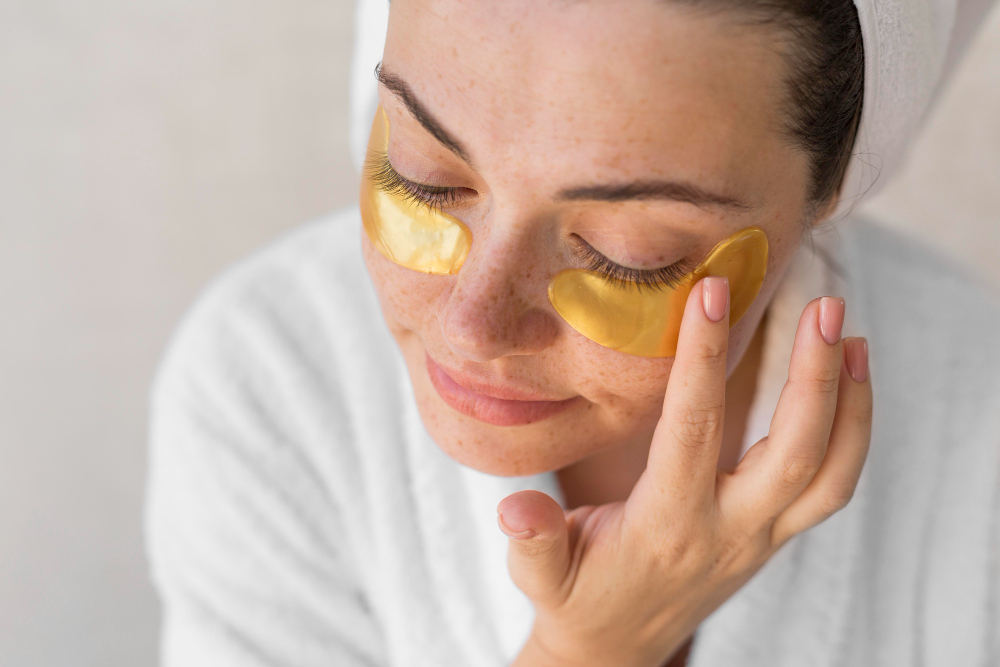
Eye-area care
Comfort-focused care
Barrier support
The product story therefore evolves from:
“Lots of peptides”
to:
“A purpose-designed peptide combination.”
III. Peptides Are Moving from Anti-Aging to Skin Longevity
Traditionally, the most familiar positioning for peptides has been:
Anti-wrinkle.
This has kept peptides strongly associated with mature skincare.
But the rise of Skin Longevity is giving peptides a new role.
Consumers do not necessarily need to wait until wrinkles appear before using peptide products.
Peptides can instead be incorporated into:
Elasticity maintenance
Skin softness
Texture management
Daily recovery care
Long-term skin-condition management
This allows peptides to move beyond the traditional mature-skin market and into:
Preventive Aging.
The concept shifts from:
“Use it after the problem appears”
toward:
maintaining good skin condition for longer.
IV. What Makes Peptides Interesting Is Their Potential for “Combination Design”
One of the weaknesses of a single hero ingredient is that competitors can easily replicate the concept.
The strength of peptides is that:
they can be strategically combined.
Brands can develop different Peptide Systems according to specific product positioning.
Firming Peptide System
Peptides × Hyaluronic Acid (HA) × Antioxidant System
Direction:
Elasticity × Suppleness × Texture Management
Barrier Peptide System
Peptides × Ceramides × Beta-Glucan
Direction:
Barrier Support × Hydration × Daily Stability
Longevity Peptide System
Peptides × NAD+-Related Concepts × Coenzyme Q10
Direction:
Antioxidant Support × Long-Term Skin Maintenance × Advanced Skincare
Recovery Peptide System
Peptides × PDRN × Ceramides
Direction:
Hydration × Suppleness × Recovery-Focused Care
The real product differentiation no longer depends on one hero ingredient.
It comes from:
Combination Logic.
V. Peptides × PDRN Could Become a New Premium Combination
PDRN brings:
Novelty, a high-tech image, and strong premium recognition.
Peptides bring:
Maturity, clear functional positioning, and exceptional formulation flexibility.
Together, they are well suited to creating a:
Recovery × Longevity
product concept.
For example:
PDRN × Peptides × Hyaluronic Acid (HA)
can be developed into a high-performance ampoule.
PDRN × Peptides × Ceramides
can become a premium recovery cream.
PDRN × Peptides × Beta-Glucan
can be used in a recovery-focused mask.
PDRN creates next-generation technology recognition, while peptides complete the broader formulation architecture.
The product is therefore no longer selling only “high-concentration PDRN.”
It is selling a complete:
High-Performance Recovery System.
VI. Peptides × NAD+-Related Concepts: Entering the Skin Longevity Market
If PDRN naturally fits a recovery-oriented positioning, the combination of peptides and NAD+-related concepts is particularly suitable for:
Skin Longevity.
A traditional:
Anti-Wrinkle Serum
can evolve into a:
Longevity Serum.
For example:
NAD+-Related Concepts × Peptides × Coenzyme Q10 × Antioxidant System
Instead of constantly emphasizing:
“How many wrinkles were reduced?”
the product can focus on:
Elasticity maintenance
Skin-condition management
Antioxidant protection
Long-term skincare
This allows peptides to move beyond the limitations of traditional mature-skin positioning.
VII. The Eye Area Could Become a Major New Growth Market for Peptides
Eye care has always been one of the most established applications for peptides.
But eye products are also changing in 2026.
Traditionally, the category focused on:
Fine lines
Dark circles
Under-eye bags
Now, it can also address modern lifestyle concerns such as:
Late nights
Extended screen time
Dryness
Tired-looking skin
Daily eye-area condition management
This creates an opportunity for:
Peptide Eye Systems.
For example:
Peptides × Caffeine × Hyaluronic Acid (HA)
for a morning eye serum.
And:
Peptides × Ceramides × PDRN
for a nighttime eye cream.
This moves eye care beyond simple:
Anti-Wrinkle
toward:
Lifestyle Eye Care.
VIII. Peptide Products Are Moving from “More Peptides” to Precision Design
The next generation of premium peptide skincare does not necessarily need:
12 Peptides.
A product may instead use only two to four core peptides while clearly defining the role of each.
For example:
Peptide A
For elasticity management.
Peptide B
For skin texture management.
Peptide C
For barrier-focused care.
This type of product architecture fits naturally with:
Science-Backed Skincare.
Brands can clearly explain:
Why was this peptide selected?
At what concentration is it used?
What is it paired with?
What will the finished product be tested for?
This creates greater credibility than simply stacking as many peptides as possible.
IX. Product Format Will Also Define Peptide Positioning
Another major advantage of peptides is their versatility across product formats.
Serum
Suitable for precision peptide systems.
Positioning:
High Performance × Lightweight Texture × Daily Use
Ampoule
Suitable for:
Peptides × PDRN
to create concentrated premium skincare.
Cream
Suitable for:
Peptides × Ceramides × Lipid Systems
creating a dual concept of:
Barrier × Firming
Eye Serum
Suitable for:
Peptides × Caffeine × Hyaluronic Acid (HA)
to create a morning revitalizing eye-care concept.
Mask
Suitable for:
Peptides × Beta-Glucan × PDRN
to create a high-contact recovery product.
The real advantage of peptides is therefore not limited to anti-wrinkle serums.
They can extend across:
an almost complete skincare portfolio.

X. OEM Development Suggestions
Preventive Peptide Serum:
Peptides × Hyaluronic Acid (HA) × Ceramides
Recovery Peptide Serum:
Peptides × PDRN × Beta-Glucan
Longevity Peptide Serum:
Peptides × NAD+-Related Concepts × Coenzyme Q10
Barrier Peptide Cream:
Peptides × Ceramides × Squalene
Morning Peptide Eye Serum:
Peptides × Caffeine × Hyaluronic Acid (HA)
High-Performance Peptide Ampoule:
Multi-Peptide System × PDRN × Antioxidant System
The real development question is not:
How many peptides can we put into one formula?
It is:
What exactly is each peptide supposed to do within the formulation?
Conclusion: The Next Peptide Market Is Not About “More”—It Is About “More Precise”
Peptides are not returning because the skincare market has run out of new ingredients.
Quite the opposite.
As PDRN, exosomes, NAD+, and other emerging active concepts become more common, brands increasingly need a mature formulation language that can work alongside these technologies.
Peptides fit that role exceptionally well.
The peptide comeback of 2026 is therefore no longer simply:
Peptide = Anti-Wrinkle.
It is becoming:
Peptide = Precision Formulation.
From anti-wrinkle care to Preventive Aging,
from individual ingredients to Peptide Systems,
from quantity stacking to functional specialization,
and from traditional mature skincare to Skin Longevity.
Peptides never really disappeared.
This time, however,
they are coming back smarter than before.