
From a Ready-to-Use Cream to a Formula Mixed Before Use, How Does Format Shape the Winter Skincare Experience?
A single cream and a two-part system offer different ways to use a product. The right choice depends on the formula’s needs and the consumer’s routine.
When developing a high-performance winter skincare product, a brand may face a choice:
Should moisturizing, emollient, and featured ingredients be brought together in one cream?
Or should a powder and liquid be packaged separately and combined before use?
A single cream fits easily into daily care. Open it, dispense it, and apply.
A two-part product adds a step. Combining the components, allowing them to disperse or dissolve, and then applying the mixture creates a more hands-on experience.
An extra step does not necessarily mean better results. A ready-to-use cream can be just as thoughtfully developed.
The question is whether the format supports a stable formula, clear directions, and a texture that suits winter use.
-
Single Cream: Make High-Performance Care Easy to Use Every Day
Convenience is a major strength of a winter cream.
After cleansing and applying a serum, consumers can finish their routine with a cream. There is nothing to prepare or mix, even on a busy evening.
That makes a single cream well suited to:
A product intended for consistent daily use.
Winter care focused on dryness and rough-feeling skin.
A collection with a clear daytime or nighttime role.
Ceramides, hyaluronic acid (HA), glycerin, panthenol, and emollient ingredients can all be considered according to the formula’s purpose. What consumers experience, however, is not the length of the ingredient list. It is how easily the cream spreads, whether it feels nourishing enough, and whether the finish is too heavy.
Development questions can be specific:
For daytime: How does the cream work with sunscreen and makeup?
For nighttime: Can it offer a softer, richer feel while remaining comfortable when layered over a serum?
For the dry season: Does it feel more nourishing without becoming a product consumers hesitate to use every day?
A cream does not need a complicated method of application to feel sophisticated. Getting the texture right is a point of difference in itself.

-
Two-Part Systems: When Is the Extra Mixing Step Worthwhile?
A common two-part concept keeps a powder and liquid in separate packages until they are combined for use.
The choice may be driven by formulation needs or by the desire to create a distinctive experience. Both are possible reasons, but they should be explained separately.
If the reason is formulation, the brand needs to establish whether separate storage offers a meaningful benefit for the selected ingredients and how the product performs after mixing.
If the reason is experience, consumers need to be able to complete every step easily: opening, pouring, mixing, and dispensing. A process that is too difficult can turn an appealing ritual into an obstacle.
Questions worth answering include:
Does the powder disperse or dissolve evenly within the intended time?
Does the mixed texture match the product concept?
Is the amount used each time easy to control?
Are storage and directions after mixing clear?
The appeal of a two-part product should hold up in both the formula and the actual handling.
-
A Two-Part Product Is Not Necessarily Freeze-Dried—and Freeze-Dried Does Not Automatically Mean More Effective
“Two-part,” “powder-and-liquid,” and “freeze-dried” are often grouped together in product storytelling, but they describe different things.
Two-part describes the package and method of use: two components are stored separately and combined later.
Freeze-dried describes a possible manufacturing process for one of those components. Whether freeze-drying is used, and why it matters to a particular formula, must be confirmed for the actual product.
Separate storage may have a formulation purpose. It does not, on its own, support claims such as “double the activity” or “more effective than a conventional cream.”
Even if the powder and liquid each remain stable before mixing, the combined product still needs to be assessed for appearance, odor, texture, microbiological quality, and its condition over the intended period of use.
For consumers, the technical decision ultimately leads to a practical question:
Is the mixed product pleasant to use, and will I want to keep following the directions?
-
Winter Texture: A Cream Provides the Finish; a Two-Part Product Must Work After Mixing
Winter skincare can have a richer feel, but richness need not mean heaviness.
Through formulation and emulsion design, a single cream can be made light, soft, or more enveloping. Its texture is established before it reaches the consumer and should be reasonably consistent from one application to the next.
A two-part product introduces another variable: how completely the components are mixed.
Powder that does not disperse properly may affect how smooth the product feels. If the amount of liquid is difficult to control, the texture may differ between uses.
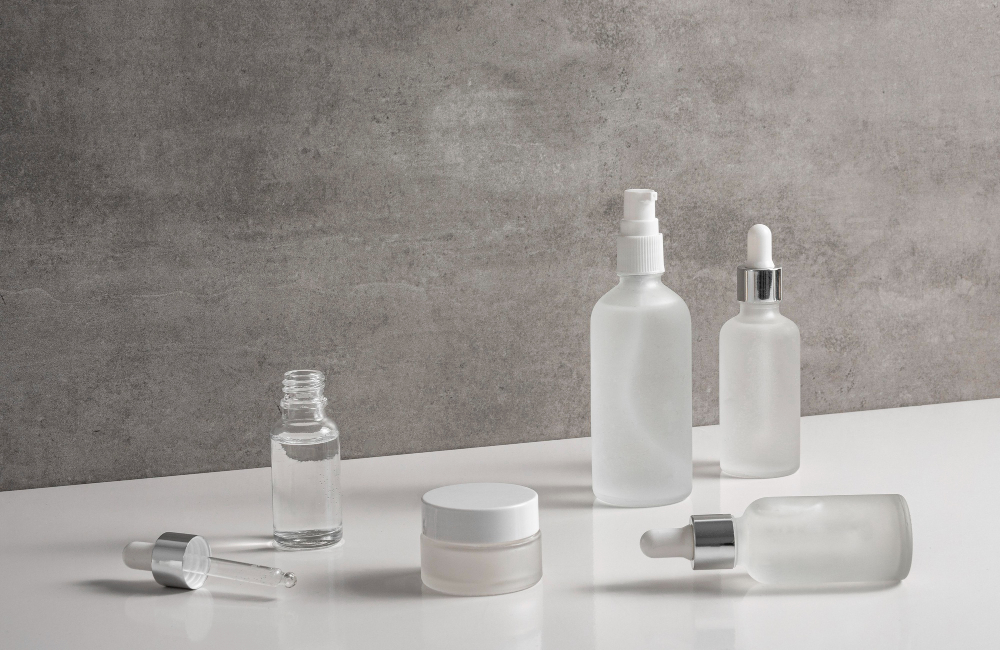
A two-part product therefore needs testing not only in its separate components, but also as consumers will prepare and apply it using the package instructions.
A well-designed winter system should deliver a mixed texture, spreadability, and after-feel that match its positioning.
-
Packaging Determines Whether Convenience or Ritual Really Works
The packaging priorities differ between the two formats.
Single Cream: Make Dispensing Easy
A pump can offer a quick, controlled way to dispense product.
A tube is portable and can make the amount used easier to manage.
A wide-mouth jar displays the cream’s texture, while its method of dispensing and everyday handling deserve consideration.
Two-Part Product: Make Every Action Intuitive
Is the powder container easy to open?
Can the liquid be transferred completely?
Could the mixture spill during preparation?
Is the combined product easy to dispense afterward?
These details influence whether consumers will want to use the product again. Taiwan’s Food and Drug Administration guidance on cosmetic product information files discusses packaging material, quality specifications, and information relating to compatibility between the package and formula. A more involved product format makes it especially useful to assess the container and contents together during development.
-
An OEM/ODM Perspective: Different Formats Suit Different Product Goals
Concept A: A Daily High-Performance Winter Cream
Positioning: Soft, nourishing care that is easy to use every day.
Suitable moments: After cleansing, as the final step at night, or whenever a daytime routine needs more comfort.
Development focus: Spreadability, layering, and the different texture needs of daytime and nighttime use.
Its appeal can be how easily it becomes a consistent habit.
Concept B: A Two-Part Product for a Focused Period of Use
Positioning: A more involved skincare step for a particular occasion or period.
Suitable moments: A seasonal change, travel, or an evening when consumers want to spend more time on their routine.
Development focus: Ease of mixing, clear storage conditions and use period after mixing, and a consistent feel with each application.
Concept C: A Cream Paired With a Two-Part Product
Positioning: The two-part system serves as the collection’s distinctive product; the cream supports daily care.
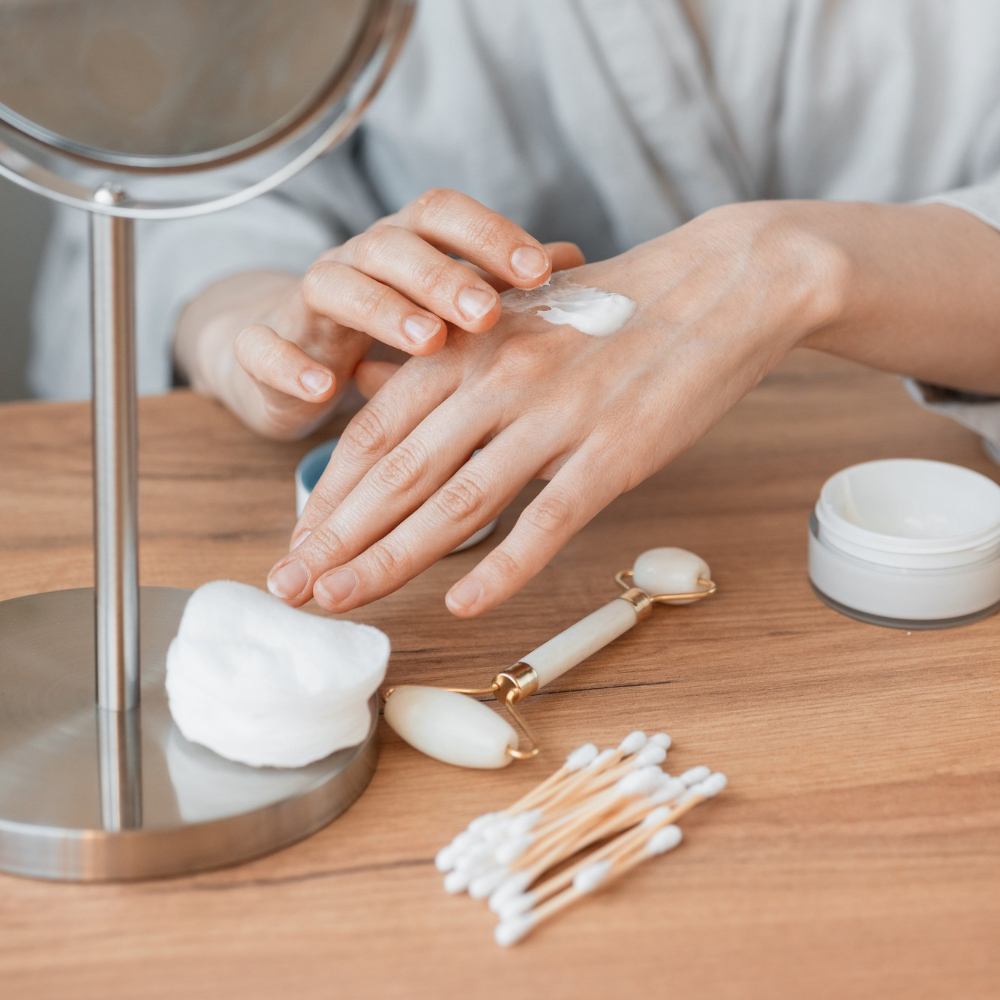
How it is used: Apply the two-part product according to its directions, then finish that routine with the cream. The cream can also be used on its own on other days.
Development focus: Whether the products feel too heavy together and whether consumers understand when to use each one.
The two products do not need identical claims. One offers a mixing experience; the other provides a familiar daily step.
-
High-Performance Copy Should Explain What Makes the Product Distinctive
Both a cream and a two-part system can be positioned as high-performance skincare. Their copy should say what that means in practical terms.
For a cream, explain:
How the texture balances nourishment and comfort.
Where it fits in the routine.
How it feels when skin is dry during winter.
For a two-part product, explain:
Why the components are stored separately.
How to combine and dispense them correctly.
What the mixture should look and feel like.
“Two-part” or “freeze-dried” does not itself prove stronger moisturizing or any other superior effect. A claim such as “hydrates for X hours” or “improves results by X%” needs corresponding evidence for the finished product. Taiwan’s cosmetic claim regulations assess the overall message conveyed by names, wording, and imagery when determining whether a claim is exaggerated.
Conclusion: Choosing a Format Means Choosing How the Product Fits Into Someone’s Life
A cream can become the product a consumer reaches for every day in winter.
A two-part system can invite them to spend more time preparing and applying skincare on a particular occasion.
Both formats have value. Before choosing one, consider whether the formula benefits from separate storage, whether consumers will welcome the additional steps, and whether the final feel matches the product’s promise.
The difference in high-performance winter skincare is not the number of containers. It is whether the format makes the product easier to understand, satisfying to use, and worth returning to.