

Minimalist High-Performance Skincare
Reducing Layered Steps, Responding to Real-Life Rhythms with High-Density Functionality and Precision Design
In an era where “too busy for elaborate routines” is the norm, true sophistication in skincare is not about lining up bottles—it’s about getting the essentials right. Minimalist high-performance skincare isn’t about cutting corners; it’s a formulation philosophy built on high-density functionality. By addressing everyday concerns—dryness, excess oil, rough texture, dullness, and environmental discomfort—through predictable mechanisms and thoughtful usage rhythms, skincare aligns with life instead of competing with it.

1) How Brands Develop Minimalist, High-Performance Products
From fewer steps to higher functional density
Start with scenarios, then design the formula
Minimalism begins with focus. Product development should start from real-life contexts: commuting, late nights, air-conditioned offices, mask-wearing, travel, post-workout, and seasonal shifts. Each scenario implies specific sensory and stability needs. Rather than building long routines, create a core product that resolves the primary tension in one go.
Build with functional modules—not ingredient stacking
Think in systems, not lists:
- Hydration module: multi-layer moisturization (multi-weight HA, humectants, sugars) for immediate and lasting comfort
- Barrier module: ceramides, cholesterol, fatty acids, botanical lipids for stability and reduced tightness
- Oil-water balance module: niacinamide, zinc salts, oil-regulating botanicals to minimize shine and pore appearance
- Gentle brightening module: vitamin C derivatives, tranexamic acid—soft radiance without aggression
- Soothing module: centella, oat, β-glucan, licorice to support daily tolerance
Texture makes or breaks minimalism
High performance fails without precision texture. When working with OEM partners, define sensory KPIs: absorption speed, film feel, makeup compatibility, pilling risk, oil-skin freshness thresholds, and dry-skin plumpness. If texture isn’t dialed in, users will add steps—defeating the purpose.
Replace step-stacking with day/night division
Minimalism works when functions are scheduled, not piled:
- Day: antioxidants + hydrating film + lightweight protection (makeup-friendly)
- Night: repair + hydration + lipid replenishment (next-day results)
2) What Minimalist High-Performance Options Look Like
From single heroes to modular systems
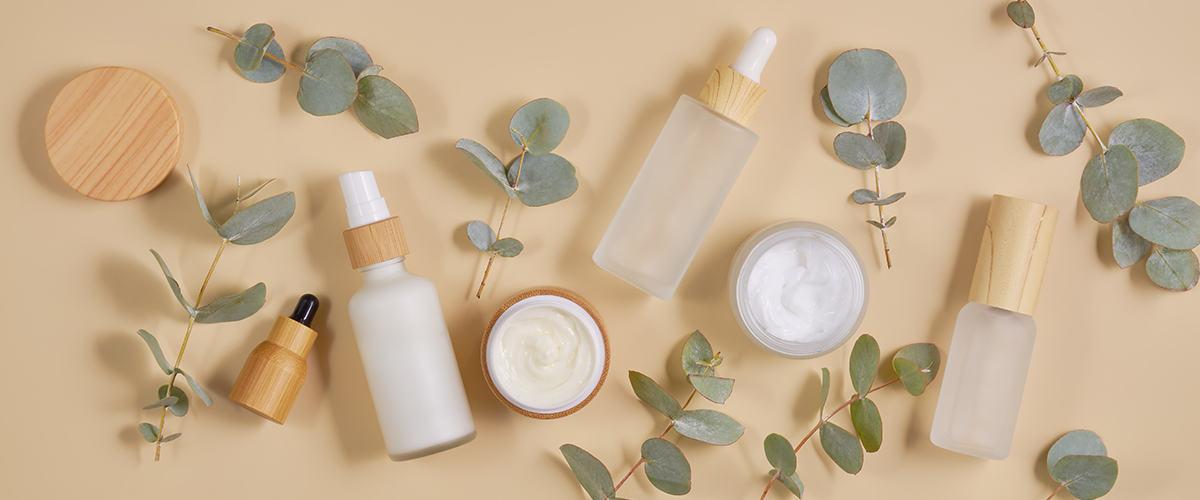
Option A | One-and-Done: All-in-One Essence-Emulsion or Gel-Cream
Bridges the gap between serums and creams—hydration, lipids, comfort, and stability in one. Ideal for busy users and skincare beginners.
Option B | Two-Step Completion: Serum + Cream (or Serum + Sunscreen)
Put the visible function in the serum; leave stability and protection to the cream or sunscreen. Two steps are intuitive and drive repurchase.
Option C | Scenario-Based Singles: One Bottle, One State
Examples: office dryness, late-night dullness, mask congestion, travel dehydration. Short, precise products remembered by context—not formulas.
Option D | Cyclical Reinforcement: Daily Minimal + Weekly Reset
Two steps daily; once or twice weekly masks or gentle renewal for “status recalibration.” This mirrors real lifestyles best.
3) How Brand Owners Understand Mechanisms to Brief OEMs Precisely
From vague ambition to actionable design
Instead of asking for “a powerful serum,” break the brief into three parts: skin state, sensory goal, and usage scenario.
Dry / Dehydrated Skin
- Mechanism focus: retain water → replenish lipids → form a comfortable film
- OEM language: multi-layer hydration, lipid ratios, supple-not-heavy finish
- Formats: essence-emulsions, gel-creams, fast-absorbing bi-phase oils
Oily / Combination Skin
- Mechanism focus: balance—not strip—oil; reduce tackiness and pore look
- OEM language: lightweight solvent systems, low-tack humectants, dry-touch film formers
- Formats: water-gels, light lotions, makeup-friendly protective emulsions
Sensitive / Environment-Reactive Skin
- Mechanism focus: tolerance first—soothing + barrier support + reduced irritants
- OEM language: streamlined fragrance strategy, gentle preservation, soothing module ratios
- Formats: calming serums, recovery creams, daily-stability masks
Dull / Uneven Tone
- Mechanism focus: antioxidant support, renewal rhythm, even translucency
- OEM language: gentle brightening blends, pH control, day/night role separation
- Formats: daytime brightening serums + nighttime repair creams, or a single “soft-radiance” essence-emulsion
4) A Practical Minimalist Development Checklist (Ready for OEM Briefs)
- Define one core scenario: commute, late night, air-conditioned office, travel
- Lock 2–3 core benefits: hydrate + stabilize; fresh + makeup-ready; soft glow + repair
- Set sensory KPIs: absorption seconds, tack level, pilling risk, makeup compatibility
- Establish usage rhythm: day/night split; two-step finish; weekly reinforcement
- Align with OEM using module language: hydration, barrier, balance, radiance, soothing
- Build skin-type versions: same core, fresh vs. rich textures for higher hit rates and SKU efficiency
Conclusion: Minimalism Is Not Less—It’s Better Choice
The appeal of minimalist high-performance skincare lies in returning skincare to modern life: no maze of bottles, no false sense of security from layering. True efficiency is precision—fewer steps, higher density, predictable outcomes, and long-term companionship that keeps skin stable, luminous, and smooth at its everyday best.